
Charles Emmanuel Pierson (05/12/1862 – 18/07/1940) is not to be confused with Charles Pearson, a well known local photographer
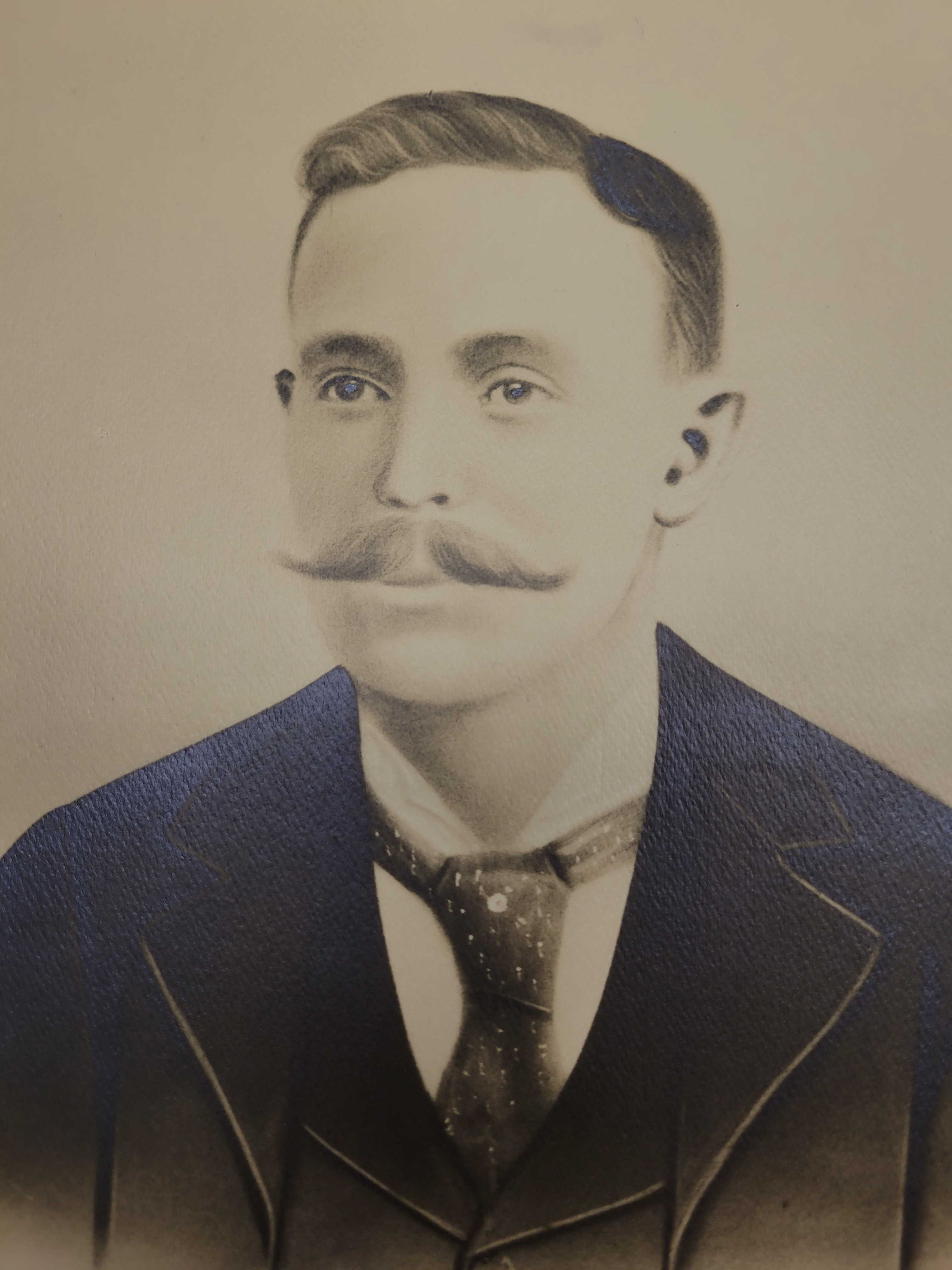
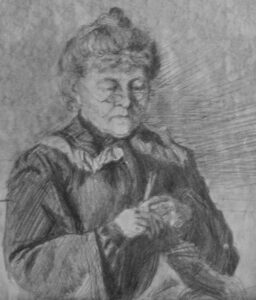
C. E. Pierson seems to have originated in Jersey (where his father was of independent means, as was Charles himself), though he was born in Southsea, Hampshire and little is known of his early years. By 1894 he was living in Hyde Park Court in London, but by 1901 he was back in Hampshire, having married Mabel Mary Coxon (03/08/1865 – 11/12/1955) at the Catholic Church in Cadogan Street, Chelsea. Her family originated in Killarney, County Kerry. This is probably the source of their house name ‘Flesk’, which is a river in Kerry.
‘Flesk’
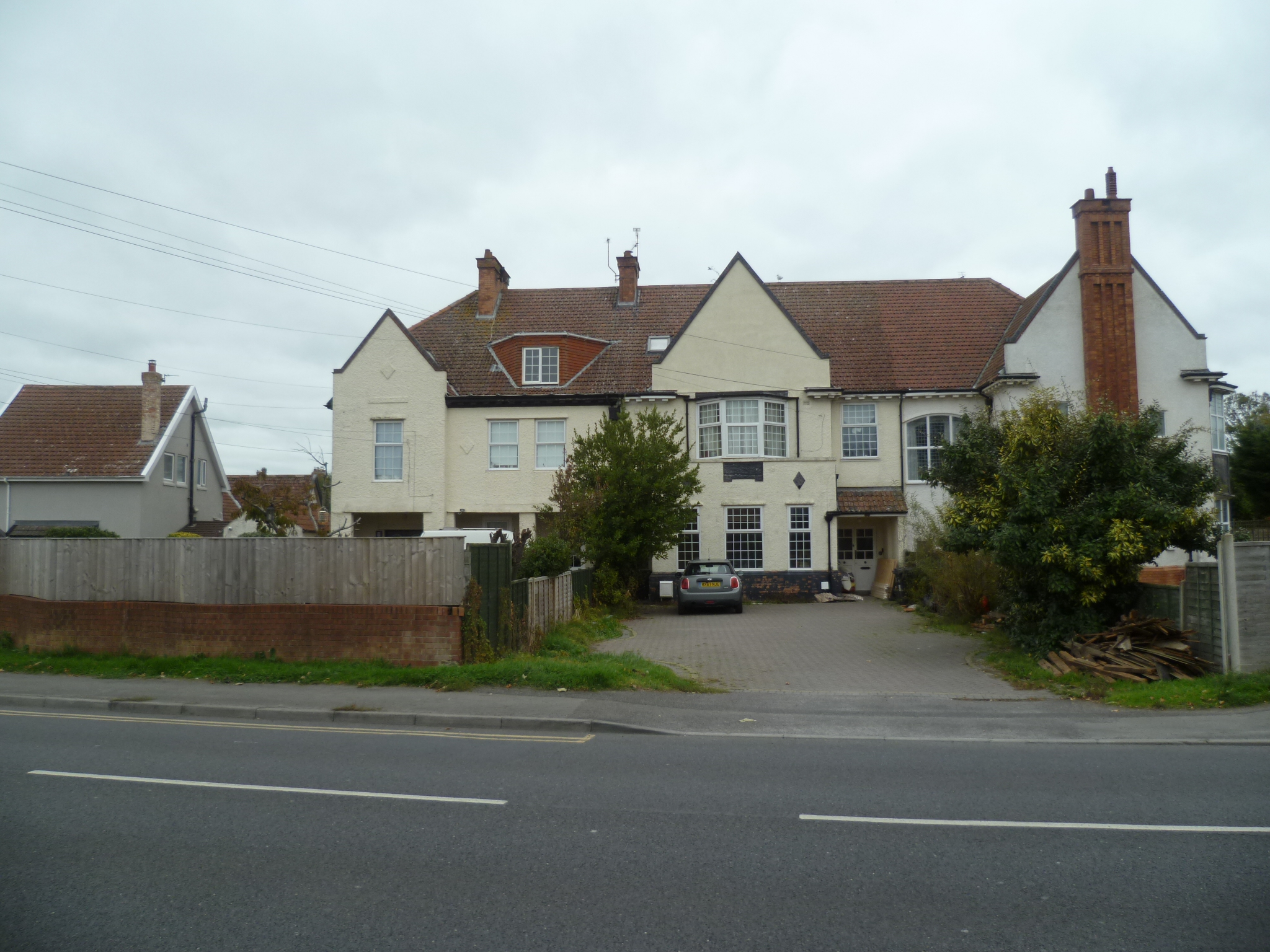
The 1901 Census shows them living with their daughter Marie Louise (28/02/1899 – 06/07/1980) at ‘Flesk’, a 23 roomed mansion on the Berrow Road . The house was later divided into three parts ‘The Cloisters’ and various flats. Together they are now numbered 94, 96, 98 and 100.
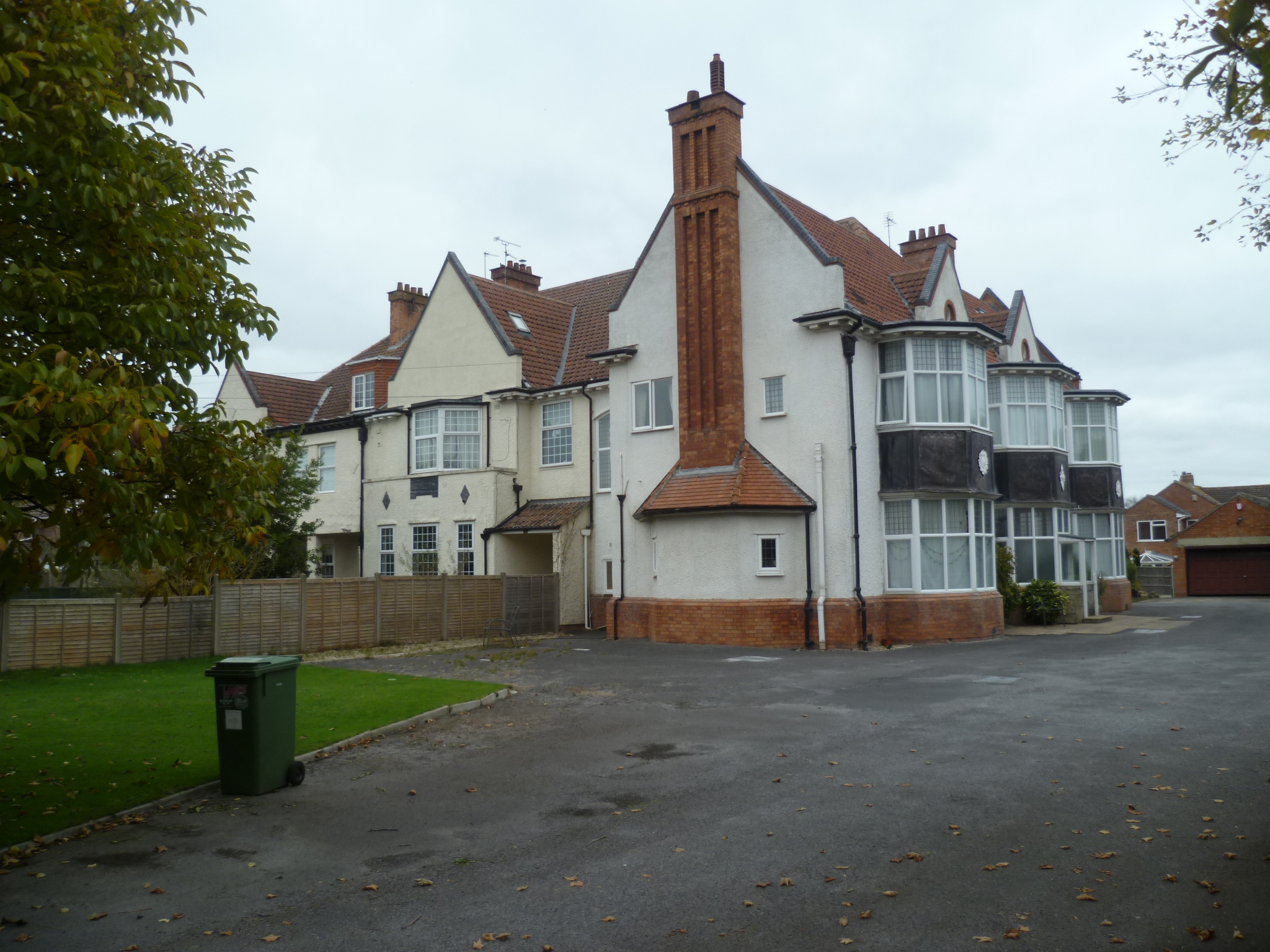
It is said that Flesk was the first house in Bunham to have its own supply of electricity, which was provided by an on-site generator. This building was known as The Coachhouse and was itself converted into a house, now number 100 Berrow Road.
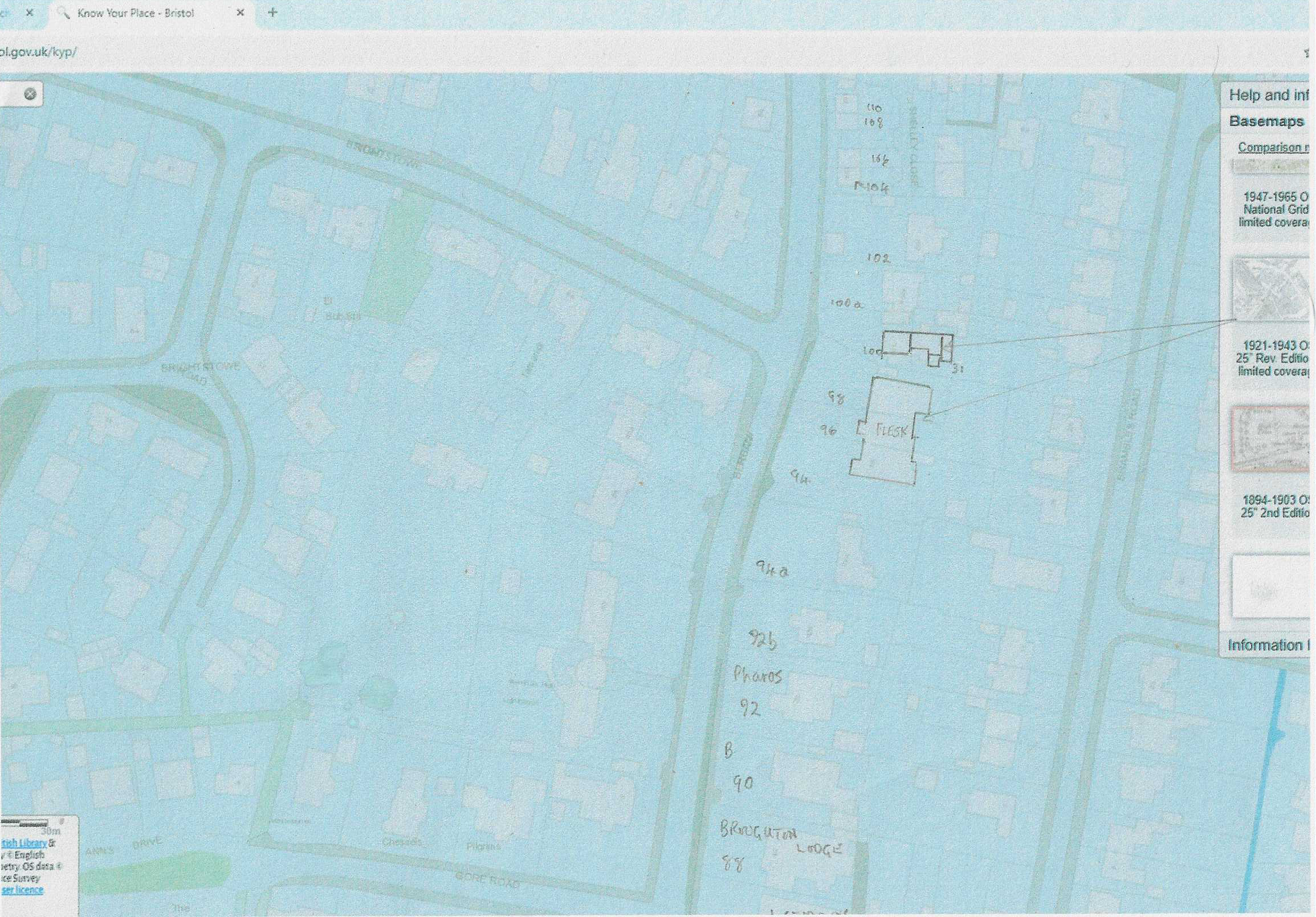
On the current OS map of Berrow Rd (above) the pencilled area shows the footprint of ‘Flesk’ from the 1921 OS map. The area to the north is probably the site of the generator’s house.
The family were still living at Flesk by the time of the 1911 Census, This shows Charles and Mary as having two sons Philip Atwell and John Anthony. The household also had 8 servants to manage the 23 rooms.
Flesk was broken into in 1939 at the time when Charles was moving to Bath, where he died at French’s Hotel July, 1940. Mabel died in Bath in 1955, aged 90.
Local Activities
Charles seems to have been something of an entrepreneur as he eventually became a magistrate, a J.P. and was one of five Directors of Burnham Investment Syndicate which was appointed to raise funds for The Burnham New Pier project in 1905.
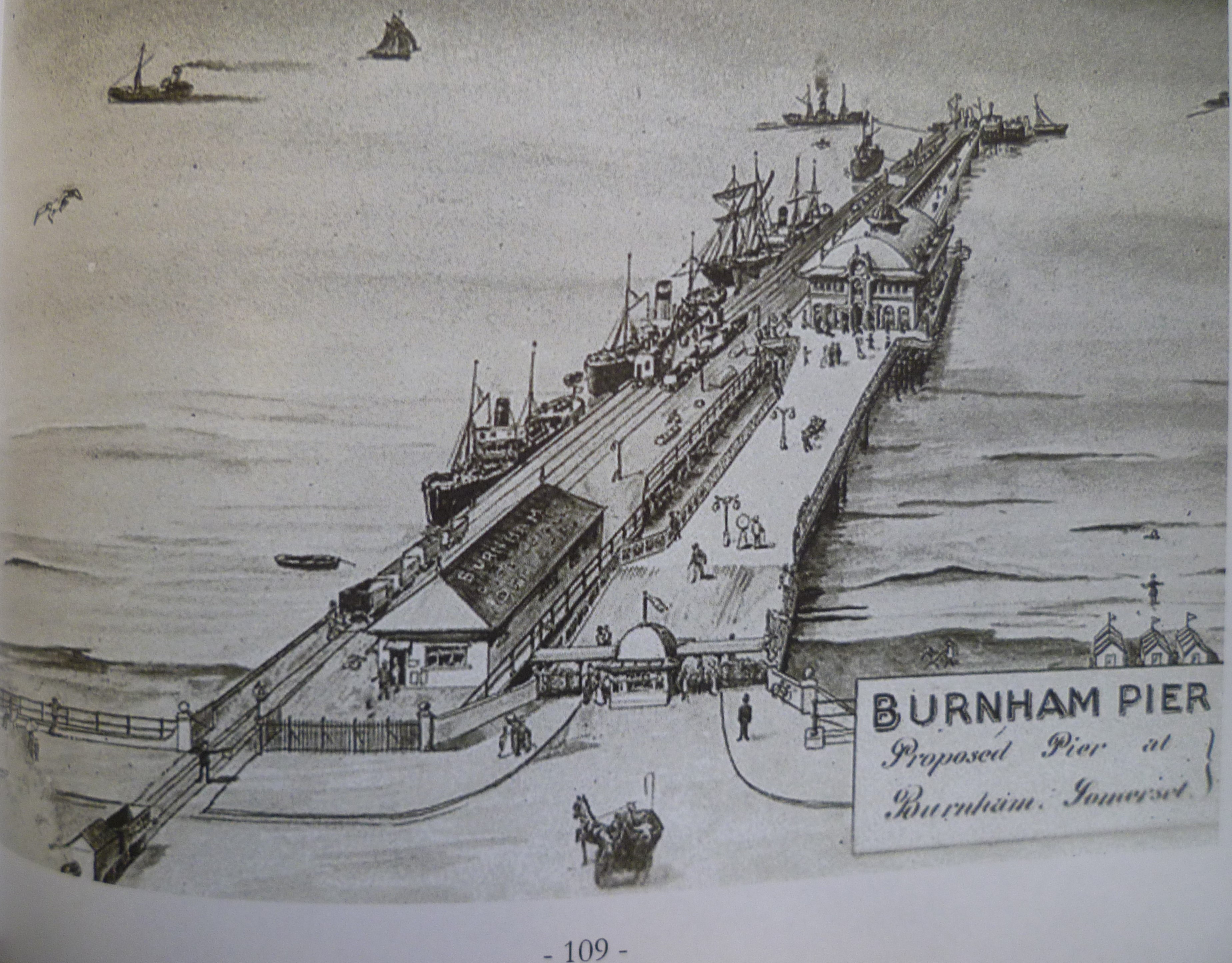
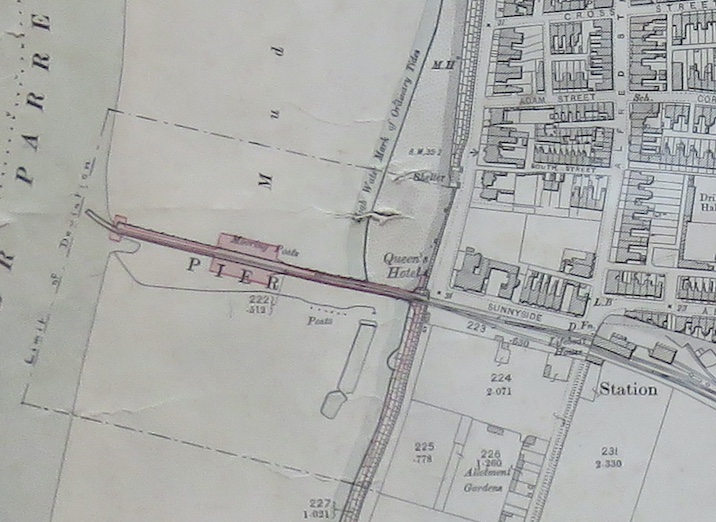
He was also involved in getting the whole of the town supplied by mains electricity.
Both Charles and Mabel were Roman Catholic and were very involved with the work in the Parish of La Retraite. Mary donated a new organ to the Church in 1913.
Charles was a great traveller. Passenger lists show him to have travelled extensively to Costa Rica, Bombay, New York and the River Plate.
‘The Retreat’
It is not known why Charles and family moved to Burnham but he appears to have had a passion for golf, possibly being attracted to Burnham’s championship course. He became the Honorary Secretary of the Ladies Golf Club in 1912 He will probably be remembered for his attempts to develop ‘The Retreat’, adjoining the Ladies Golf Club, into a premier hotel for golf players.
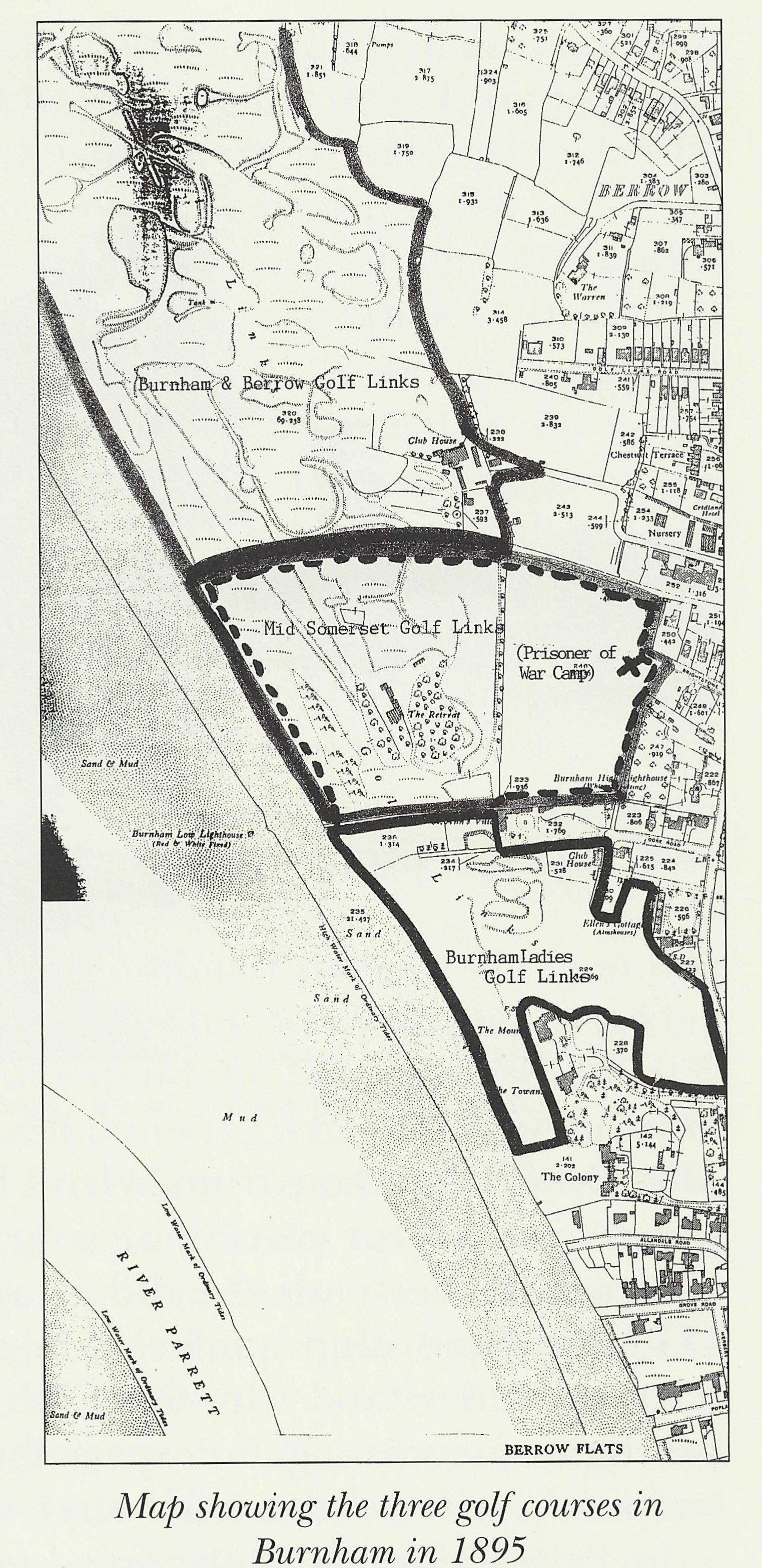
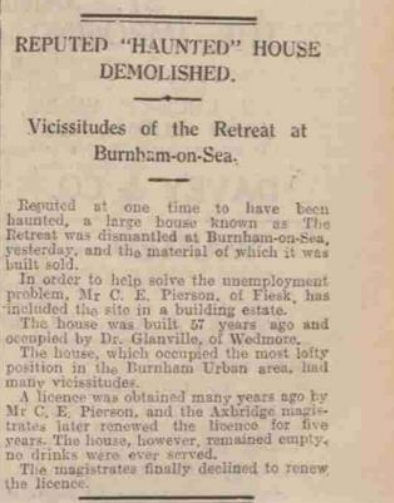
Although he was given a temporary licence in 1908 for ‘The Retreat’, it was never developed and fell into ruin, being demolished in 1932.
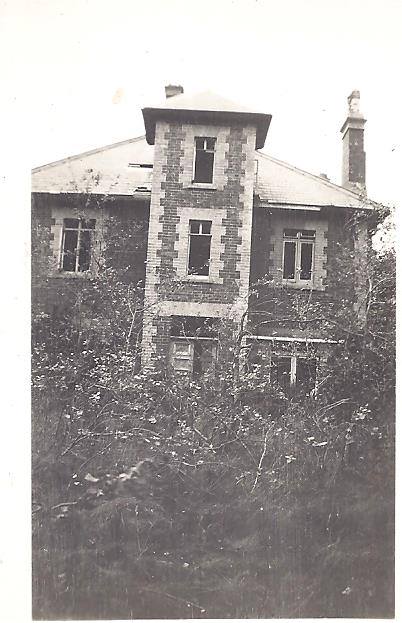
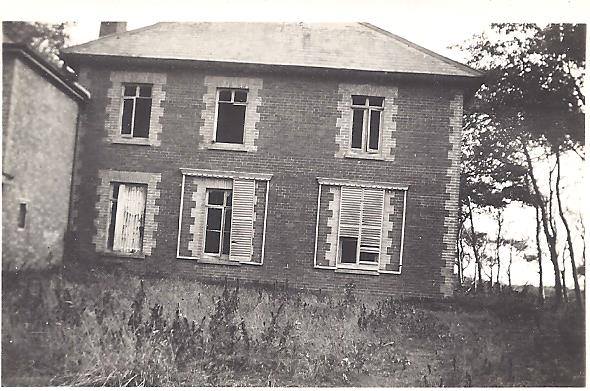
Like many old derelict properties the house gained the reputation of being haunted but we have no other details of this than the article below from the Western Daily Press in November 1932.
The failure to develop the property may have had something to do with the Foreshore Dispute that came to court in 1907.
The Foreshore Dispute
In 1903 there was a huge storm which battered the local area and eroded a large amount of the sand dunes on his property. It seems that he asked the B.U.D.C. to re erect the boundary fence but they neglected to do so. Finally he erected his own fence only to find that Burnham U.D.C. took them down as they said that the fence encroached on their property along the shore line. Thus began a lengthy dispute about rights of way.
No solution was found until Charles sued the Town Council in 1907, which was heard by the Chancery Division. This came to be known as “The Foreshore Dispute of 1907”. The Court eventually found in his favour and awarded him £1000, with the footnote that he (and all other landowners abutting the sea shore) were responsible for maintaining their own defences. A Pyrrhic victory.
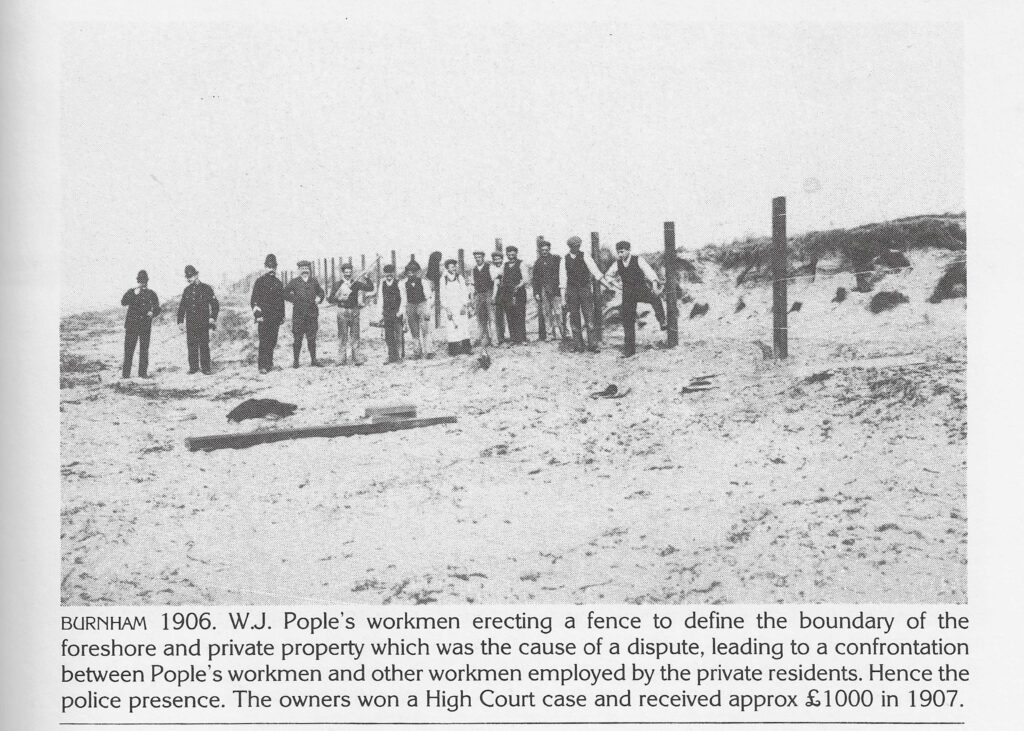
It may well be that this legal dispute, together with the failure of the Burnham Pier Society raise enough funds to build a new pier disheartened Charles, so much so that he lost interest in any further development in Burnham.
Research by Alan Wheway.